
About a quarter of groundwater monitoring points in Germany are above the limit value. Why that rarely reaches the tap, which regions are affected and what nitrate means for infants and adults.
In short
- Source: slurry and mineral fertiliser, which turn into nitrate in the soil and seep into the groundwater.
- Monitoring points above 50 mg/l are found mainly in Lower Saxony, North Rhine-Westphalia, Bavaria and Baden-Württemberg.
- Suppliers blend, dilute or tap deeper wells, so drinking water meets the limit almost everywhere.
- Aim for under 10 mg/l for infants; for adults, 50 is safe.
Where nitrate comes from
Nitrogen from slurry, manure and mineral fertiliser turns into nitrate in the soil, which plants take up. What they do not need is washed by the rain into the groundwater. There it stays for decades, because nitrate is hardly broken down in groundwater. That is why today’s fertilising rules only take effect at the well in 20 to 40 years. Other sources are leaking sewers, sewage treatment plants and gardens, which are small by comparison.
Where it is high
The German Environment Agency (Umweltbundesamt, UBA) reports that about a quarter of the groundwater monitoring points are above 50 mg/l, with hotspots in regions with intensive livestock farming and vegetable growing: Weser-Ems in Lower Saxony, Münsterland and the Lower Rhine in North Rhine-Westphalia, parts of Bavaria, the Upper Rhine valley in Baden-Württemberg and parts of Saxony-Anhalt. Because of these values the European Court of Justice ruled against Germany in 2018, and the Fertiliser Ordinance (Düngeverordnung) was tightened as a result.
Why it rarely reaches the tap
Water suppliers may not deliver water above 50 mg/l. They blend water from several wells, use deeper aquifers, relocate wells or buy land in order to restrict farming on it. In rare cases nitrate is removed technically (ion exchange, denitrification). The result: over 99 per cent of drinking water meets the limit, and in many cities nitrate is under 10 mg/l. The values for your city are listed under Regions. The problem mainly affects private wells without a supplier.
What nitrate does in the body
Nitrate itself is not very toxic. In the body it is partly converted to nitrite, which can disturb the transport of oxygen in the blood of infants under six months (blue baby syndrome). That is why water for baby food should be under 10 mg/l. In adults the concern is nitrosamines, which can form from nitrite in the stomach and are suspected of being carcinogenic. For comparison: most nitrate intake comes from vegetables (lettuce, spinach, beetroot), not from water.
What you can do
- Public mains water: look at your supplier’s analysis; at under 25 mg/l there is nothing to do.
- Private wells: test every year, see Testing water at home. Do not drink water above 50 mg/l, and do not give water above 10 to infants.
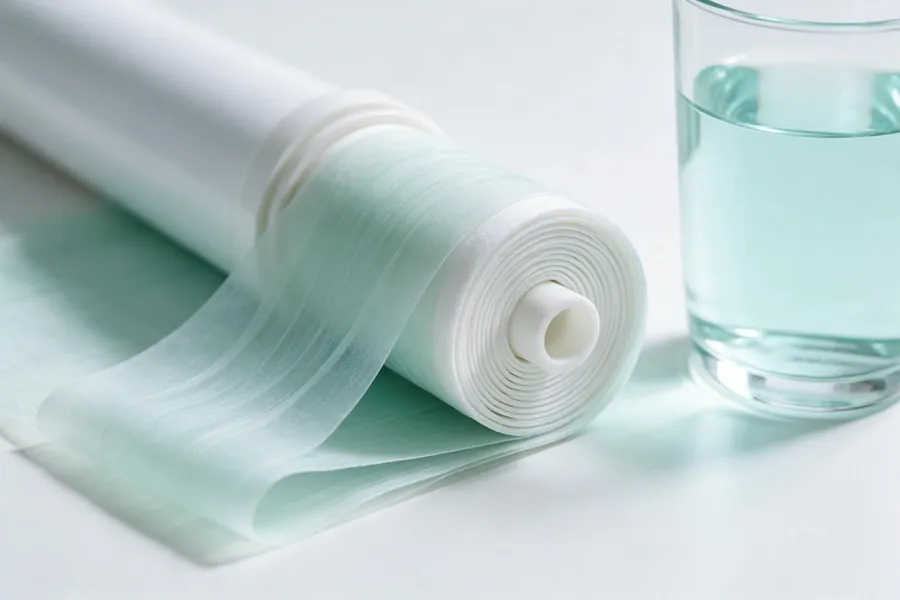
- Filtering: reverse osmosis removes 85 to 95 per cent, and anion exchangers remove nitrate specifically. Activated carbon and jug filters do not help. Details in the chapter Reverse osmosis.
- Boiling does not help, it even concentrates nitrate slightly.
Try it out
Tap water checkEight questions about your home, pipes and region, an assessment with a traffic light and next steps.Reverse osmosis calculatorSystem, filters and wastewater against bottled water: cost per litre and payback in months.Frequently asked questions
Are nitrate levels falling now?
Slowly. Inputs have fallen since the 1990s, but groundwater reacts with a delay of decades. In some regions the levels are still rising.
Is mineral water nitrate-free?
Usually low in nitrate, but not always. Water labelled “suitable for infant food” guarantees under 10 mg/l, and the label shows the value.
Share