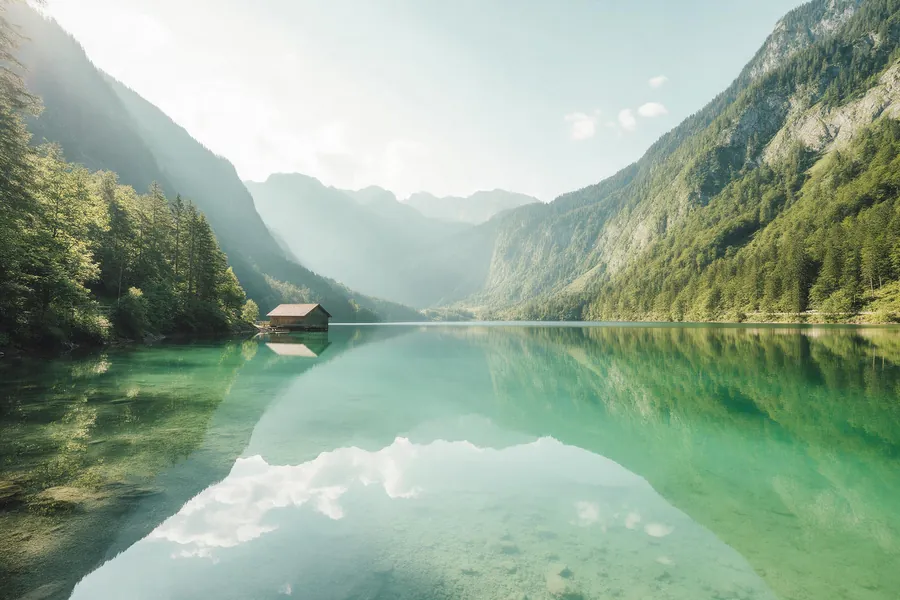

Croatia has very good drinking water from karst springs and rivers, and even the inhabited islands are supplied by pipeline from the mainland. The water is hard, but clean and drinkable everywhere.
The short answer
Yes, nationwide, including on the islands
Aquaviana’s advice
- Zagreb, Split, Dubrovnik, Istria: drink from the tap, the water is karst spring water.
- Islands such as Brač, Hvar and Krk are connected to the mainland network, so drinking tap water is normal.
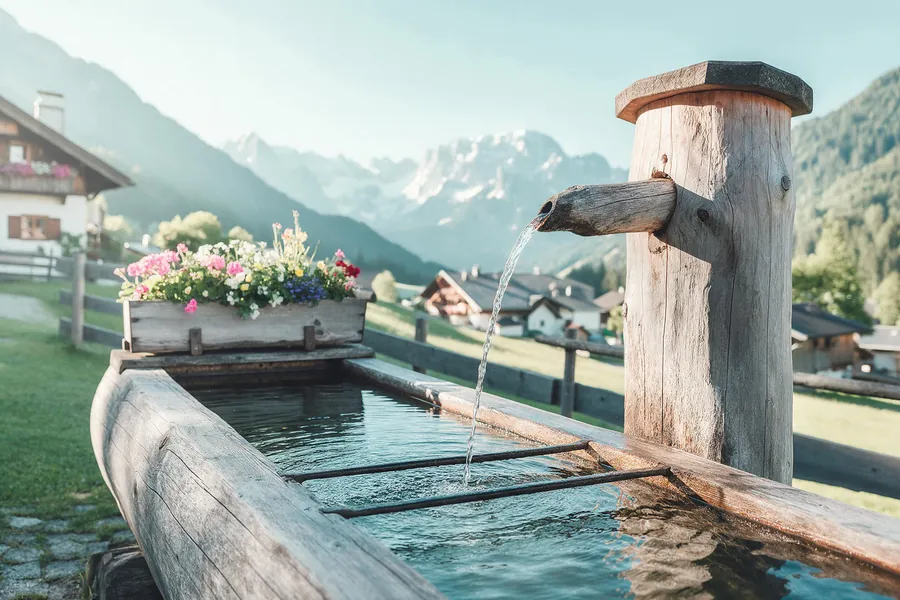
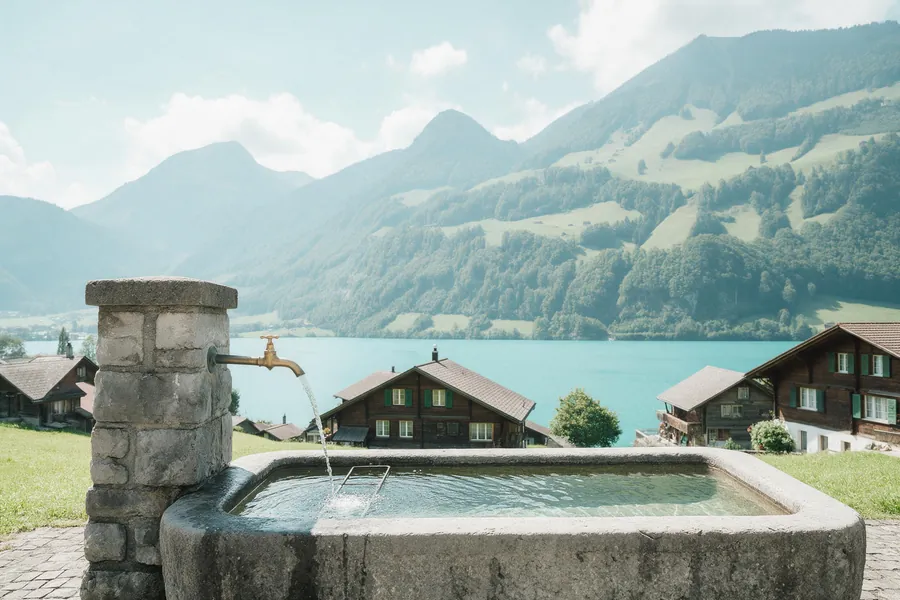
- Croatia has many public fountains, especially in the coastal old towns.
Where the water comes from
Around 90 per cent of Croatian drinking water comes from groundwater and karst springs, which are among the most productive in Europe. Split draws water from the spring of the Jadro river, Dubrovnik from the Ombla spring, and Zagreb from groundwater in the Sava plain. Water from limestone is hard, mostly 15 to 25 °dH, and mineral in taste, but very clean.
The islands
Unlike in Greece, the large Croatian islands are connected to the mainland by underwater pipelines. On Brač, Hvar, Korčula, Krk and Rab, drinking water comes from the tap. Only small, remote islands and old holiday houses with a cistern are exceptions, and there the water is labelled.
Culture and prices
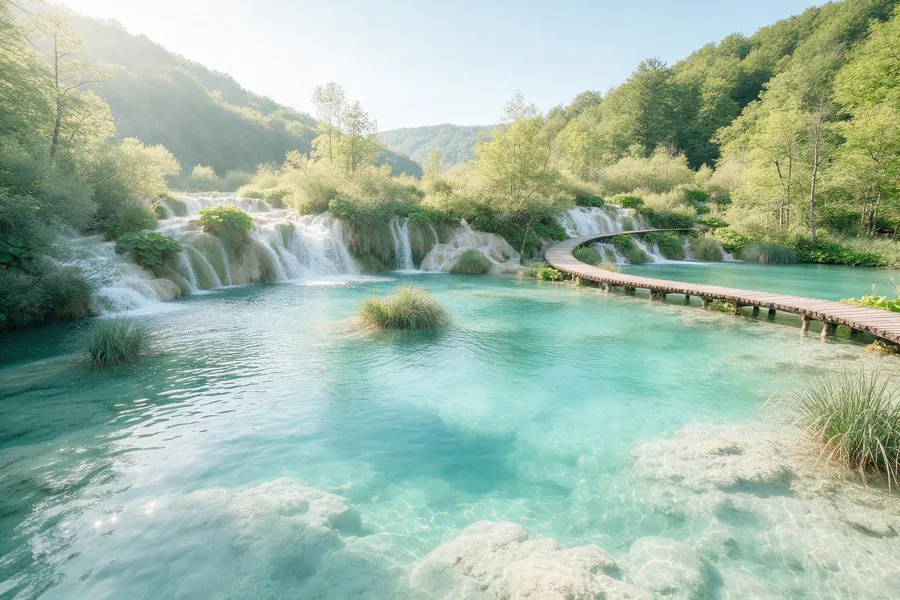
Croatians drink tap water without concern. In restaurants bottled water is still offered, and it has become more expensive since the introduction of the euro. “Voda iz slavine” (tap water) is available on request. The national parks of Plitvice and Krka show why the water is so good: limestone filters it and colours it turquoise.
Frequently asked questions
Why is the water in Dubrovnik so hard?
The Ombla spring rises directly out of limestone. For kettles in holiday flats this means frequent descaling, while for the body the hardness is not a problem.
Share